The linen guide
Choosing Pillowcases for Cooler, More Comfortable Sleep
A pillowcase is a small detail with a surprisingly close relationship to the way a bed feels. Fibre, weave, finish and laundering all shape its texture and how it behaves against the skin. Linen brings a relaxed, breathable character to the pillow, but the right choice is ultimately the one that suits your preferences, climate and care routine.
A better pillowcase begins with the feel
When choosing pillowcases, it is tempting to start with a familiar number or a promise of exceptional softness. Yet no single specification tells the whole story. A thread count, where provided, cannot on its own explain how a fabric will feel, how air moves through it, or whether it will suit someone who likes a crisp, cool surface rather than a smooth, lustrous one. The fibre, the way the yarns are woven, any finishing treatments and the fabric’s weight all contribute to the result.
That matters because a pillowcase is in constant contact with the face and hair. It can feel different from the rest of the bed, particularly when a sleeper moves during the night, the room warms up, or the fabric has been freshly laundered. A pillowcase that feels agreeable at first touch may develop a different character after repeated washing. Understanding those differences makes it easier to choose for comfort rather than for a specification that sounds impressive in isolation.
Linen is a natural starting point for anyone interested in breathable bedding. Made from flax, it has a recognisable texture and a relaxed drape that distinguishes it from smoother cotton sateen. Many people appreciate linen’s airy, slightly textured hand; others prefer the more even surface of cotton percale or the silky touch of sateen. There is no universal winner. The most comfortable pillowcase is a personal decision, and it may take a little trial to identify the texture you enjoy night after night.
What makes linen feel different?
Linen fibres come from the flax plant. Once spun into yarn and woven, they create a fabric often recognised for its subtle irregularities and easy, lived-in appearance. Those variations are part of linen’s appeal: rather than appearing perfectly uniform, the surface has a quiet texture that can bring depth to a simply made bed. Depending on the yarn, weave, weight and finish, linen may feel crisp, substantial, soft or gently rumpled.
Breathability is a frequently valued quality of linen. How a pillowcase feels in use depends on more than fibre alone, however. The fabric’s construction, the warmth and humidity of the room, the pillow beneath it and the sleeper’s own comfort preferences all have a part to play. Linen should not be treated as a guarantee of a particular body temperature or a solution to disrupted sleep. It is better understood as one material option for people who enjoy an open, textured feel and want to compare how different fabrics behave in their own bedroom.
Many linen fabrics soften through use and laundering. This change can be a pleasure for those who like bedding that develops a more relaxed hand over time, rather than remaining crisp and formal. The pace and degree of change depend on the fabric’s construction and how it is cared for. Follow the maker’s instructions, since washing temperature, detergent, drying method and finishing treatments can all affect the way a textile wears.
Natural texture is also worth considering in practical terms. Linen may crease more visibly than some tightly finished cotton fabrics. For some, those creases are part of its charm; for others, they make it feel too casual. If a sharply smooth bed is your preference, a crisp percale or a cotton sateen may be more appealing. If you enjoy a softened, understated look, linen’s characteristic ease may feel right.
Fibre, weave and finish: read beyond the label
Product descriptions are most useful when they explain what the fabric is made from and how it is constructed. “Linen” identifies the fibre, but not every linen pillowcase will feel the same. Ask whether it is 100% linen or a blend, whether the fabric has been washed or softened, and whether the maker provides clear care instructions. These details help set expectations and make comparisons more meaningful than a broad claim about luxury.
Weave describes how the yarns cross one another. Plain weave is a straightforward, versatile construction often associated with the familiar texture of linen. Cotton percale is also a plain-weave fabric, but the fibre and yarn characteristics give it a different hand: it is commonly chosen for a crisp, matte feel. Sateen uses a different yarn arrangement that can create a smoother surface and a gentle sheen. Each construction has its own character, and names alone do not tell you exactly how a particular fabric will feel.
Finishing matters, too. Garment washing, stonewashing or other treatments may make a fabric feel softer from the outset, while a plant-based softener can be used to influence the hand. These descriptions are worth noting, but they do not replace care guidance. A soft finish is not a promise that the fabric can be washed in any way without changing. A careful comparison looks at the full picture: material, construction, finish, origin information, dimensions and recommended maintenance.
Thread count is particularly easy to overvalue. It is a measure associated with yarns in a given area of fabric, but it is not a universal score for comfort and is not equally useful for comparing every textile. Linen and cotton have different fibre characteristics and are often described using different specifications. A higher number should not automatically be read as cooler, softer or more durable. For pillowcases, consider the stated fibre and weave first, then use weight and other available details as supporting information.
Cotton, linen or sateen?
There is no need to declare a single material the ideal choice for every sleeper. The contrast between linen, percale and sateen can help clarify what you like. Linen offers a textured, relaxed surface and tends to suit those drawn to natural-looking, softly rumpled bedding. Cotton percale is often selected for a crisp, matte feel. Cotton sateen has a smoother, more fluid surface, with a subtle lustre that gives the bed a more polished finish.
These are broad descriptions, not guarantees. A lightweight linen may feel quite different from a heavier one; a washed cotton may feel less crisp than an untreated percale. If possible, touch fabric samples in person, or choose a pillowcase from a collection whose material and care details are clearly explained. When shopping online, look for information about fibre content and weave rather than relying solely on words such as “cooling,” “luxurious” or “ultra-soft.”
Your bedding can also combine textures. Linen pillowcases can sit comfortably alongside cotton sheets, and a cotton pillowcase can be an easy way to introduce a smoother surface while keeping linen elsewhere on the bed. A coordinated set is not essential. What matters is how the combination feels and whether the pieces can be cared for in compatible ways.
A closer look at Coyuchi organic linen pillowcases
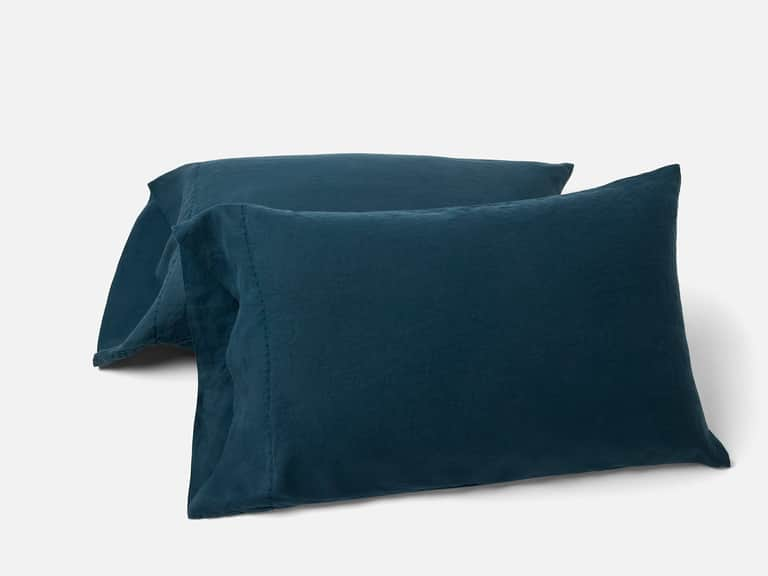
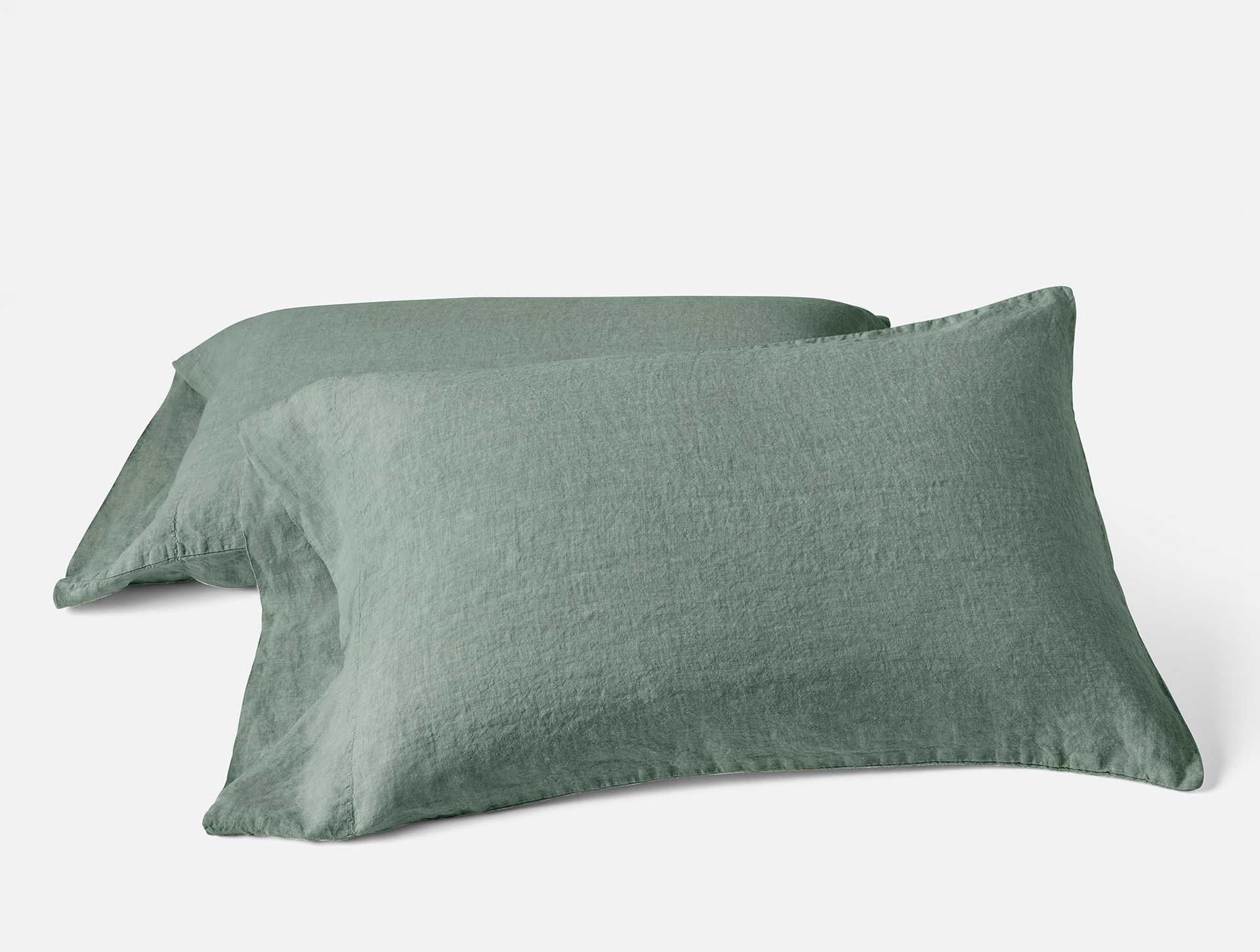
The Coyuchi Organic Relaxed Linen Pillowcases offer a useful example of the details that can inform a considered choice. The product description identifies the fabric as 100% organic flax grown in France and woven into linen in Portugal. It describes a garment-washed finish for relaxed softness, pick-stitched cuffs and a plant-based softener. Two pillowcases are included.
Those specifics are more helpful than a vague promise of softness because they explain both the material and some of the finishing. French-grown flax and Portuguese weaving indicate stages in the material’s stated origin; they do not, by themselves, establish every aspect of a textile’s environmental or social impact. The description also notes low-impact dyes. For anyone assessing sustainability claims, it is sensible to distinguish between details supplied by a maker and independent certification, and to read the scope of any certification rather than assuming it covers every part of a product’s lifecycle.
The relaxed linen construction is likely to appeal to someone who enjoys a naturally textured, less formal bed. A garment-washed finish may make the fabric feel more relaxed from the beginning, while the maker says it is designed to soften with use. If you prefer a very smooth, cool-to-the-touch surface or a sharply pressed appearance, compare linen with percale or sateen before settling on a style. A product description can help you understand likely characteristics, but the final test is whether you enjoy the hand of the fabric.
Care is part of the comparison. The listed guidance for these pillowcases is machine washing cold on a gentle cycle and tumble drying on low, with a plant-based softener recommended. Follow the instructions provided with the specific item, and avoid assuming that every linen fabric can be treated identically. Different dyes, finishes and constructions may come with different recommendations.
Pillowcase care that supports a longer life
Good laundering is not complicated, but small habits can help preserve the look and feel of bedding. Begin with the care label: it is the most relevant guide for the particular fabric in your hands. Separate light and dark colours where appropriate, use a suitable detergent, and avoid bleach or other strong treatments unless the instructions explicitly permit them. Excessive heat and harsh handling may put unnecessary strain on fibres and seams.
For linen pillowcases with a cold, gentle-cycle recommendation, keep to that guidance. A low tumble-dry setting may be appropriate when specified, but remove the fabric promptly rather than leaving it to over-dry. Over-drying can make some textiles feel harsher and may increase creasing. If you prefer a smoother finish, iron while the fabric is slightly damp when permitted by the care instructions. If a relaxed look is part of the appeal, a light shake and careful folding may be all you want to do.
Wash pillowcases regularly as part of your usual bedding routine. How often depends on personal preference, skin and hair care products, climate and household needs; there is no single schedule that suits everyone. Keeping a spare pair makes rotation easier and gives each set time to dry fully. Store clean pillowcases in a dry, well-ventilated place, away from prolonged direct sunlight that could affect colour.
Fabric softener is not automatically beneficial. It can leave residues and may alter absorbency or hand, depending on the textile. Some product instructions recommend a particular plant-based softener, while others advise avoiding softener entirely. The right approach is not a general rule about linen but the guidance for the exact pillowcase. When in doubt, keep the routine simple and consult the care label.
Fit, finish and the details you notice every day
Comfort is not only about fibre. A pillowcase should fit the pillow without feeling strained or leaving excess fabric that bunches beneath the face. Check the dimensions, compare them with your pillow and consider whether the closure suits your habits. An envelope closure, button closure or open-ended design can each work well; the important thing is that it holds the pillow comfortably and is easy to manage in the wash.
Finishing details can be subtle but influential. A cuff, flange or pick-stitched edge changes the visual character of the bed and may affect how the pillowcase sits. On the Coyuchi example, pick stitching at the cuff gives a neat decorative detail without turning the pillowcase into a highly embellished statement. This can be useful if you want texture and craft-like finishing while keeping the rest of the bed simple.
Colour also plays a practical role in how a bedroom feels. Pale neutrals make layering straightforward, while deeper shades can bring a more intimate, composed mood. Before choosing a colour, consider what is already in the room and whether the care instructions suggest washing dark tones separately. A pillowcase is a relatively small way to test a palette, yet it can make a bed feel more considered without requiring an entirely new set of bedding.
A thoughtful checklist before you choose
When comparing pillowcases, start with the experience you want rather than the highest specification on the page. A short checklist can narrow the options without turning a simple purchase into a technical exercise:
- Fibre: Is the fabric 100% linen, cotton or a blend, and is that information clearly stated?
- Texture: Do you prefer linen’s relaxed surface, percale’s crispness or sateen’s smoothness?
- Construction: Are the weave, finish and any washing or softening treatment described?
- Certification: If a product makes a certification claim, can you identify what standard is named and what it covers?
- Care: Do the washing and drying instructions fit your usual laundry routine?
- Fit: Are the pillowcase dimensions and closure suitable for your pillow?
- Durability: Does the maker provide clear guidance for maintaining the fabric over repeated washes?
When comparing price, consider what is actually specified: fibre quality, construction, finishing, sourcing information and workmanship. A high price does not guarantee that a textile will match your preferences, just as a high thread count does not automatically mean better sleep. A well-chosen pillowcase is one that feels good to you, fits properly and can be cared for without difficulty.
Comfort is personal, and the details add up
Choosing pillowcases for cooler, more comfortable sleep is less about finding a magical fabric than understanding the small decisions behind the surface. Linen can be an appealing option for its relaxed texture, natural fibre and breathable character. Its feel will vary with weave, weight and finish, and it will not be everyone’s preference. The same is true of cotton percale and sateen: each offers a distinct experience, and neither can be ranked without considering what the sleeper enjoys.
Look beyond softness in the shop. Read the fibre content, check the weave and finishing details, confirm the dimensions and make sure the care instructions fit your routine. Coyuchi’s organic linen pillowcases illustrate how origin, garment washing, stitching and laundry guidance can help you understand a product more fully. From there, let your own tactile preferences lead. The most elegant bed is not necessarily the most elaborate one; it is the one that feels inviting when the day is done.