Bedding · Materials · Care
Coyuchi Linen Sheets: A Practical Guide to Feel, Fit and Care
Linen’s appeal is tactile as much as visual: a softly irregular surface, an easy drape and a cool, breathable feel that changes with use. When considering linen sheets, the most useful questions are often not about a headline thread count, but about the fabric’s weight and finish, the depth of the fitted sheet and the care routine it asks of you.
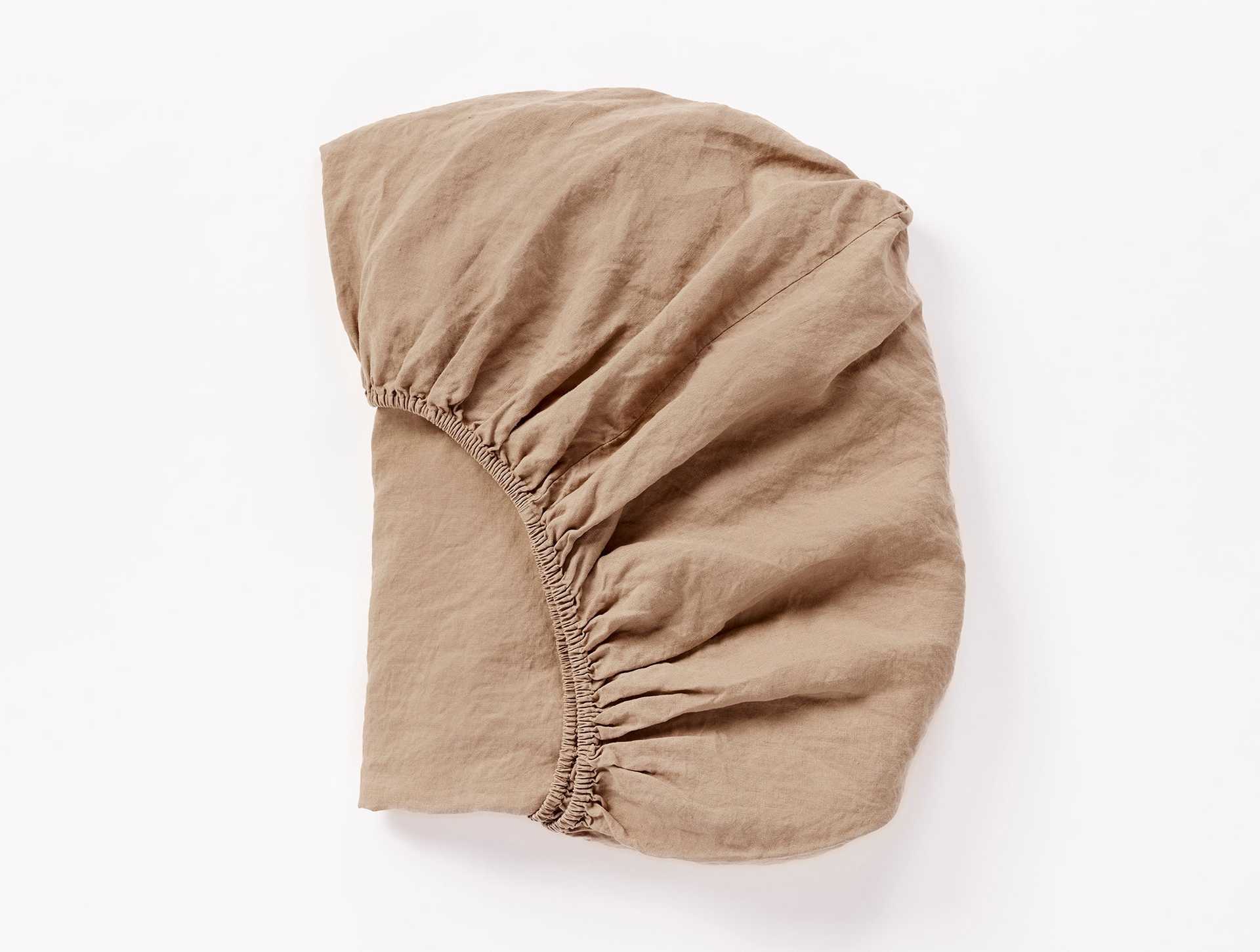
Coyuchi offers one specific point of reference. Its Organic Relaxed Linen Fitted Sheet is described as 100% organic flax grown in France and woven into linen in Portugal, with a 15-inch pocket, full elastic and a plant-based softener finish. Those details make it possible to look closely at the practical choices behind linen bedding—without assuming that one brand, specification or finishing method suits every sleeper.
The character of linen: relaxed, not uniform
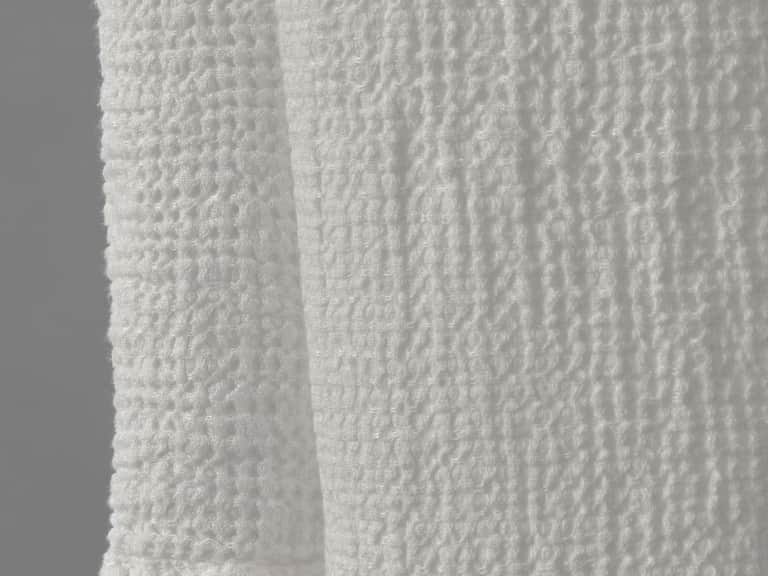
Linen begins with flax, a plant whose fibres are spun into yarn and woven into cloth. Compared with a smooth, tightly polished cotton sheet, linen often has a more pronounced texture. Tiny variations in the yarn and surface are part of its natural character; they can give the finished fabric a quiet, lived-in look rather than the perfectly sleek appearance of a crisp percale or sateen.
That texture is not a reliable quality score on its own. Linen may feel crisp or supple, airy or substantial, depending on its yarn, weave, weight, finishing and laundering history. A freshly unpacked set can therefore feel different from one that has been washed repeatedly. Relaxed linen is often prewashed or otherwise finished to soften the hand, but the precise process varies between makers and collections. Look for the stated finish rather than relying on a product name to tell the whole story.
Over time, laundering can make linen feel more pliable. The change is gradual, and it does not mean that every sheet will become exceptionally soft after a set number of washes. Water conditions, detergent, drying temperature, fabric construction and individual expectations all play a part. The best guide is a clear material description paired with care instructions you can realistically follow.
Linen’s breathability is one reason it is often considered for bedding. Its open, textured constructions can allow air to move through the cloth, while the fibre can absorb moisture. These characteristics may appeal to people who prefer a less close, less polished feel against the skin. They do not, however, guarantee a particular sleep temperature: the room, duvet filling, mattress, sleepwear and personal comfort all matter.
What to assess beyond thread count
Thread count is a familiar figure in bedding descriptions, but it is not a universal shorthand for comfort or durability. It counts threads within a given area, and comparisons can be misleading when fibres, yarn sizes, weave structures or counting conventions differ. Linen is typically selected for its fibre, texture, weight and construction rather than for a cotton-style thread-count contest. If a linen listing offers a thread-count figure, treat it as one detail—not as a verdict.
Fabric weight can be more useful when it is provided. A product’s grams per square metre (gsm), or another clearly defined weight measure, gives a broad indication of how much material is present. It does not tell you exactly how the cloth will feel: yarn quality, weave and finishing also influence drape and hand. Still, weight can help you compare descriptions and establish whether a fabric is presented as light, midweight or more substantial.
Construction deserves equal attention. A looser weave may feel airy and relaxed, while a denser fabric can feel more structured. The names of weave types are not always used consistently in marketing, so read the full material description and seek specific information if you are sensitive to texture. Finishing matters too: garment washing, stone washing or a softener treatment may alter the fabric’s initial hand. A named finish should be understood as part of the product’s character, not a guarantee that you will love the feel.
- Fibre content: Check whether the sheet is 100% linen or a blend, and look for the stated source of the fibre where available.
- Fabric weight: Use a published weight as a comparison point, not a stand-alone measure of quality.
- Weave and finish: Look for descriptions of the construction and any washing or softening process.
- Certifications: Read what a certification covers and verify the claim with the relevant standard or certifier when needed.
- Care: A fine fabric is only practical if its washing and drying requirements fit your household routine.
For a brand-specific example, the Coyuchi Organic Relaxed Linen Fitted Sheet is described as 100% organic flax, grown in France and woven into linen in Portugal. The listing gives a 15-inch pocket, full elastic, pick-stitched cuffs and a plant-based softener finish, and identifies the sheet as GOTS certified. These are useful points of comparison when evaluating linen bedding, but they should be considered in context: the finished feel depends on the complete construction and how the fabric suits you.
A practical way to think about “luxury”
Luxury in bedding is often presented as a mood: hushed colour, immaculate finishing and a bed that looks effortlessly composed. Yet a useful assessment begins with evidence. Does the maker identify the fibre? Are origin and production details specific enough to understand? Is the construction explained? Are the care instructions clear? Do the sheet dimensions suit the bed? These questions help separate appealing language from information you can act on.
Origin statements can describe different stages of production. Flax may be grown in one country, spun or woven in another, and finished or sewn elsewhere. A statement such as “French linen” may refer to the flax’s origin rather than every stage of manufacture. When provenance matters to you, read the full description and distinguish fibre origin from weaving and finishing locations.
Certification language should be read just as carefully. A certification can provide meaningful information about defined requirements, but its scope is specific; it is not a blanket promise about every environmental, social or performance question a customer might have. Check which product or material is covered and consult the certifying organisation’s own explanation. Transparent detail is more useful than a string of unqualified sustainability adjectives.
Finally, consider cost alongside expected use. A sheet that feels wonderful but requires more delicate care than you are prepared to give may not be the right everyday choice. Conversely, a fabric that works with your washing habits and becomes more comfortable to you over time may offer lasting value. The aim is not to find a single definition of luxury, but to identify a combination of material, workmanship, comfort and maintenance that makes sense for your life.
Getting the fitted-sheet fit right
Even an appealing fabric can disappoint if the fitted sheet does not sit securely. Begin with the mattress itself, measuring its height from the base to the top surface. Include any topper, mattress protector or other layer that will remain beneath the sheet. A mattress advertised at one depth may become considerably taller once these layers are in place.
Compare your measurement with the maker’s stated pocket depth, and check whether that figure describes the mattress depth the sheet is intended to accommodate. A 15-inch pocket, such as the one specified for the Coyuchi fitted sheet, gives a concrete starting point—but it is not a substitute for checking your own bed. A particularly thick mattress, a deep topper or a bulky protector can affect the fit. If the brand provides a maximum mattress depth or a sizing guide, use that information before choosing.
Elastic construction can influence how well a fitted sheet stays in place. Full elastic runs around the perimeter; some alternatives use elastic only at the corners. Full elastic can help the sheet hug the mattress consistently, but correct sizing and fabric dimensions remain essential. The position of the label, if present, can also make the sheet easier to orient when making the bed, though details vary by design.
Think about your bedding arrangement as a whole. If you use a mattress topper, protective cover and fitted sheet, ensure that the combined stack is within the sheet’s intended depth. A sheet that is stretched tightly across the corners may be more prone to shifting or strain, while excess fabric can bunch beneath the body. A comfortable fit should feel secure without requiring the fabric to be forced into place.
Before you order
- Measure mattress height, including the topper and protector you regularly use.
- Check the sheet’s pocket depth and any stated maximum mattress measurement.
- Confirm the mattress size and the sheet’s dimensions; sizing labels can vary by maker and market.
- Review the return or exchange terms if the fit cannot be confirmed from the measurements alone.
Flat sheets and pillowcases deserve their own checks. Compare finished dimensions with your mattress and pillows, and consider how much tuck you prefer at the sides and foot of the bed. A generous flat sheet may create a more tailored tuck, while a smaller one can suit a simpler layered arrangement. Pillowcase sizing should match the pillow insert rather than relying solely on a broad label such as “standard” or “king.”
Washing linen without making it a project
Care instructions are part of the purchase decision, not a footnote to read later. The Coyuchi fitted sheet is listed with care guidance to machine wash cold on a gentle cycle, tumble dry low and warm iron if desired. The product information also describes a plant-based softener finish. Follow the instructions supplied with the particular item you own, since laundering guidance can differ between fabrics and product versions.
For linen generally, a gentle approach is sensible: avoid overloading the washing machine, use a detergent appropriate to the fabric and wash colours with like colours. Crowding can reduce the room available for rinsing and movement. Excess detergent may leave residue, while strong bleach or high heat can be unsuitable for some finishes and fibres. If the care label permits machine drying, a lower setting and prompt removal can help limit overdrying and unnecessary creasing.
Wrinkles are part of linen’s relaxed visual language, but they are not compulsory. If you prefer a smoother finish, remove the sheets promptly after drying and fold or make the bed while the fabric is still slightly warm. A warm iron may be suitable when the maker allows it. There is no need to press linen to an immaculate hotel-bed finish unless that is the look you want; the characteristic texture is often precisely the point.
Do not assume that softener is needed simply because linen feels firm at first. Added fabric softener can affect absorbency or leave buildup on some textiles, and it may conflict with a maker’s guidance. Likewise, avoid applying a treatment intended to produce softness without checking the label. Repeated washing using a suitable routine is generally a more reliable path toward a naturally softened hand than aggressive heat or improvised additives.
Stains are best addressed promptly, but treatment should be matched to the stain and the care label. Blot rather than rubbing a fresh spill into the fibres, and test any stain remover on an inconspicuous area when appropriate. Avoid treating every mark with chlorine bleach or very hot water; those methods can damage or discolour fabric. For valuable or difficult-to-treat linens, the maker’s guidance or a professional cleaner may be the safer route.
How linen compares with cotton
Linen and cotton are both natural fibres, but the experience of sleeping on them differs. Cotton percale is often chosen for a crisp, cool, relatively smooth feel; cotton sateen tends to feel silkier and more fluid. Linen usually presents a more visible texture and a relaxed drape. These are broad tendencies, not guarantees: yarn, weave, finish and weight can shift the result substantially.
Neither fibre is automatically better for everyone. A person who loves a smooth surface may prefer cotton, while someone drawn to texture and a less polished look may gravitate towards linen. Climate and personal sensation matter, but so does habit: some people enjoy the natural creasing of linen; others prefer sheets that look freshly pressed with little effort. If possible, handle a fabric swatch or try linen in a single pillowcase before investing in a complete set.
Blends can offer a different balance of hand, price and care, but they should be assessed by their actual fibre percentages rather than by a broad product label. If a listing says “linen bedding,” verify whether it means pure linen or a linen blend. That small check can prevent a mismatch between expectation and the fabric you receive.
Questions worth asking before choosing
Buying linen sheets is less about pursuing a perfect number and more about making a few informed decisions. Does the texture appeal to you? Is the weight described? Are the fibre content and production details clear? Will the fitted sheet accommodate the complete height of your bed? Can you follow the washing instructions without changing your routine too much?
If you sleep warm, breathable construction may be appealing, but consider your duvet and room as well. If you prefer a smooth, crisp sheet, a relaxed linen finish may not deliver the surface you expect. If easy care is essential, confirm whether machine washing and tumble drying are permitted. And if sustainability claims matter, look beyond a single adjective to the scope of a named certification and the specificity of the sourcing information.
These questions apply whether the label is Coyuchi or another maker. Brand names can help locate a design and trace its specifications, but they cannot predict your personal comfort. A well-described sheet gives you the information to make a reasoned choice; only use reveals how it feels against your skin and how it fits into your home.
The considered bed
Linen bedding has a particular kind of polish: understated rather than pristine, expressive rather than glossy. Its appeal lies in the meeting of fibre and daily ritual—the softening cloth, the unfussy fold, the texture that makes a carefully composed room feel lived in. But that romance works best when the practical details are equally considered.
Look beyond thread count to fibre content, weight, weave and finish. Measure the mattress with every layer in place. Read the laundering guidance before committing. Treat certifications and origin statements as information with a defined scope, not as shorthand for every quality you might value. With those checks in hand, linen becomes easier to judge on its own terms: not as a promise of perfect sleep, but as a distinctive material whose feel, fit and care can suit the right bedroom beautifully.